
Spring lamb arrives with a sense of occasion. Prized for its gentle flavour and tender texture, it offers a lighter, more refined expression of lamb; one that rewards a thoughtful hand in the kitchen and a restrained approach on the plate. Below, you’ll learn what distinguishes spring lamb, how to select the right cut, and the preparation and cooking techniques that allow it to shine.
- Choose the right cut for your dish. A rack of lamb is elegant for roasting, while a leg of lamb is ideal for gatherings.
- Prepare the lamb with care. Trim excess fat, season intentionally with salt and herbs, and bring it to room temperature before cooking.
- Select a cooking method that respects its delicacy. Roasting is great for larger cuts, while grilling and pan searing suit chops and loin.
- Pair with refined flavours. Herbs like rosemary and mint, light sauces, and fresh spring vegetables such as asparagus and peas work best.
- Serve with intention for a premium experience. Carve neatly, plate with clean lines, and let the lamb be the star of the dish.

What Is Spring Lamb and Why Is It So Sought After?
Spring lamb is young lamb harvested during the spring, when the animals have had limited time to develop stronger flavours. The result is meat that is naturally tender, delicately sweet, and often subtly herbal. Compared to older lamb, it’s less assertive, with a clean finish that invites elegant accompaniments.
Like produce at its peak, spring lamb is valued not only for how it tastes, but for when it appears. It carries the promise of freshness and the satisfaction of eating in step with the calendar. When sourced well, the quality is unmistakable: fine-grained texture, gentle marbling, and a colour that suggests vitality.
Choosing the Right Cut
The most rewarding spring lamb dishes begin with an informed cut selection. Each cut offers a different balance of tenderness, flavour, and cooking potential, and understanding those differences is the first step toward a premium result.
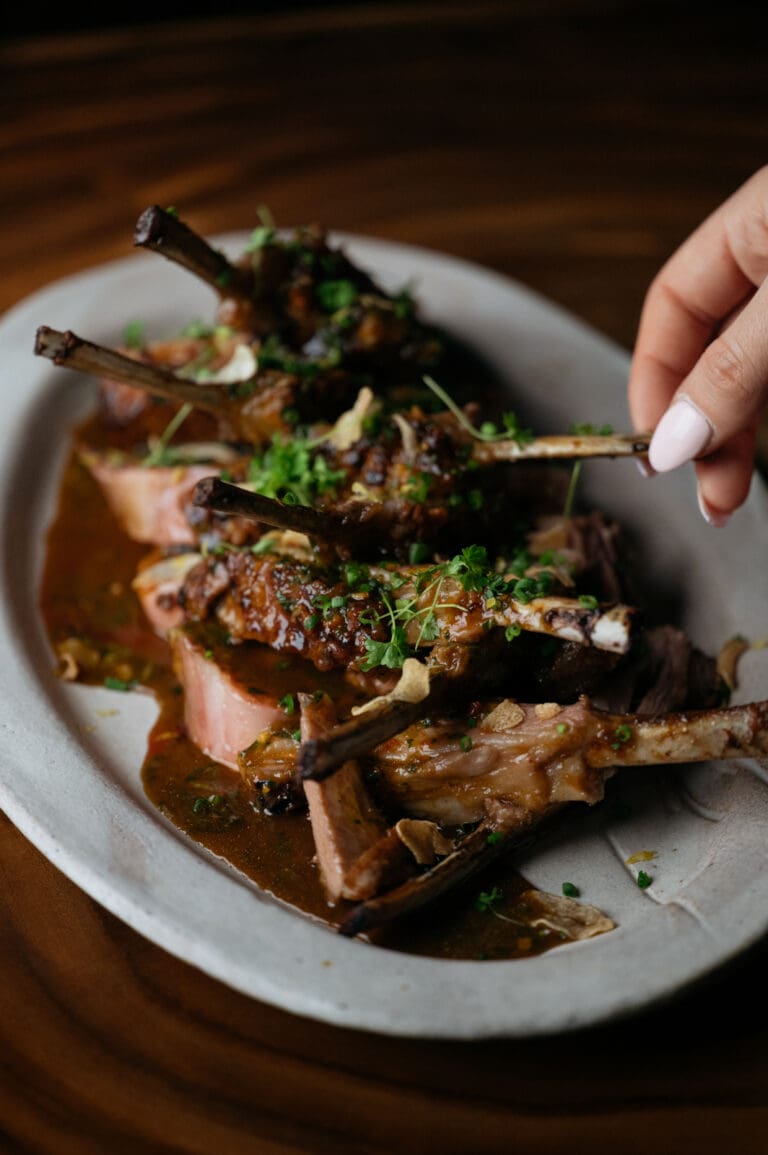
- Rack of lamb is the classic centrepiece: tender, neatly portioned, and naturally suited to elegant service. It’s great for roasting as a whole rack and carving at the table, or for separating into cutlets for quick cooking. With this type of lamb, rack benefits from minimal intervention. An herb crust, a well-judged sear, and careful resting is all that’s needed.
- Loin is similarly tender and works beautifully for pan searing and quick roasting. It lends itself to clean slicing and composed plating, particularly when paired with bright seasonal sides.
- Leg of lamb brings a slightly more developed flavour while remaining relatively delicate in spring. It’s a natural choice for gatherings: roasted whole for generous carving, or butterflied for grilling when you want a faster cook and deeper caramelisation.
- Shoulder is the cut for those who value texture as much as flavour. While it’s less inherently tender, it becomes sumptuous with slow roasting or braising, yielding a softness that contrasts beautifully with crisp garnishes and fresh herbs.
- Cutlets and chops are perfect for fast cooking (grilling or pan searing), particularly when you want to highlight the lamb’s clean finish with a simple seasoning and garnish.
How to Prepare Spring Lamb for Cooking
Spring lamb doesn’t need elaborate handling; it needs attention to the details.
Begin with trimming. Remove excess surface fat and silverskin where appropriate, but avoid stripping away everything. A thin layer of fat protects the meat during cooking and contributes to flavour. For rack and loin, tidy the edges and clean the bones if you prefer a more formal presentation. For shoulder and leg, focus on removing thick seams of fat that may not render fully.
Seasoning should be measured and intentional. Salt is non-negotiable: it enhances flavour and contributes to browning. Pepper can be used sparingly, though many chefs prefer to add it later to avoid bitterness at high heat. For spring lamb, herbs such as rosemary, thyme, and mint work well. However, consider seasoning with salt first, then layering aromatics in the cooking fat or as a finishing note, rather than forming a heavy crust that dominates.
One of the most overlooked steps is bringing the meat to temperature before cooking. Allow lamb to sit at room temperature briefly so it cooks more evenly, especially for thicker cuts like rack and leg.
Finally, pat the surface dry to encourage a clean sear. Moisture is the enemy of caramelisation, and spring lamb deserves a finish that is crisp and golden.
Cooking Techniques That Bring Out the Best in Spring Lamb
Spring lamb is best when the cooking method respects its delicacy. The goal should always be to achieve caramelisation without sacrificing tenderness, and to build flavour without obscuring what makes the meat special.
Roasting is ideal for rack and leg, particularly when you want a centrepiece experience. Sear first to establish colour, then roast gently until the desired internal temperature is reached. Once cooked, rest thoroughly to allow juices to redistribute before carving.
Grilling suits butterflied leg, chops, and cutlets. It offers smoky depth and appetising char (provided you keep the flavours clean). A light brush of oil, salt, and a herb note is often all that’s required. Cook hot and fast, then rest briefly so the meat remains supple.
Pan searing works beautifully for loin and smaller cuts, especially when finished with a brief oven roast. Use a heavy pan and make sure it’s properly hot before the lamb goes in. Sear until deeply golden, then baste lightly with butter and aromatics if desired.
Flavour Pairings
Herbs are the natural companions of spring lamb: rosemary and thyme provide structure, while mint adds brightness. Parsley, chervil, and tarragon can bring a softer, more aromatic complexity. Consider using herbs in multiple forms—fresh as a garnish, infused in oil, or folded into a finishing sauce—rather than relying on a single, heavy application.
Sauces should be refined. A light jus, a restrained red wine reduction, or a mint and pea emulsion can complement well. If you lean toward acidity, a subtle vinaigrette with capers or a squeeze of lemon can brighten the dish, particularly when paired with grilled cuts.
Sides should keep the palate engaged. Spring vegetables like asparagus, peas, and broad beans make natural companions, as do young potatoes with olive oil and sea salt. For contrast, consider something crisp and clean: shaved fennel, bitter leaves, or a lightly dressed salad.
How to Serve for a Premium Dining Experience
Serving is where technique becomes theatre. A premium experience is achieved by clean portioning, deliberate plating, and a sense that nothing is accidental.
Begin with portioning. For rack, carve between the bones for neat cutlets. For loin, slice against the grain into uniform medallions. For leg, carve thinly and consistently. For slow-cooked shoulder, serve in portions rather than collapsing the meat onto the plate; even rustic cuts benefit from composure.
For plating, let the lamb lead. Use negative space and keep sauces spooned, not poured. Consider height and structure: a carved cutlet resting against a composed vegetable garnish reads as intentional. Finish with a light sheen of jus, a final herb note, and a textural element like crisp potato, toasted crumb, or delicate greens.
Why Spring Lamb Is Perfect for Special Occasions
Spring lamb carries an inherent sense of celebration. Its seasonality gives it rarity; its tenderness makes it generous. It’s an ideal centrepiece when you want to mark a moment, like an intimate dinner, a family gathering, or an occasion where the table deserves something distinct.
Experience Iconic Dining at 6HEAD
For those who prefer to leave the details to experts, 6HEAD offers spring dining with a sense of place and intention. Enjoying a meal while overlooking the Sydney Opera House or Elizabeth Quay becomes part of the experience; an immersive expression of service standards where setting, timing, and expertise work in concert. Guided by accomplished chefs and sommeliers, you can navigate the menu with confidence.
To experience 6HEAD’s approach to luxury and craftsmanship firsthand, book your table and settle in for an evening defined by provenance and pleasure.